
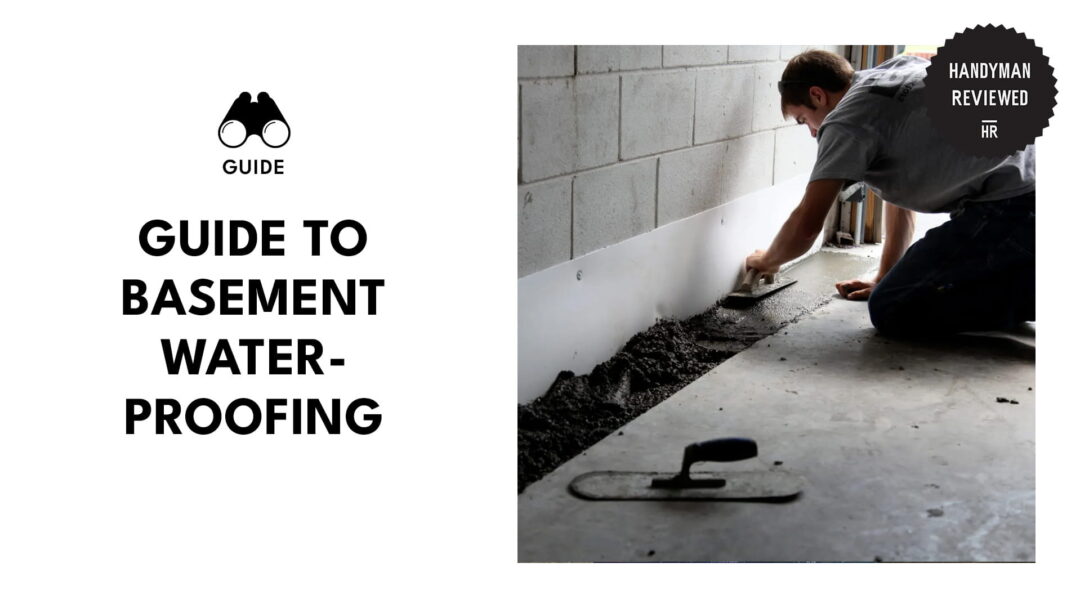
Why Basement Waterproofing Should Be a Top Priority
Many homeowners don’t think about their basement until there’s a problem. Unfortunately, many basements are prone to moisture issues… and by the time these become visible, the damage may already be significant.
Basements are naturally prone to moisture because they sit below ground level, surrounded by soil that holds water. Over time, this constant exposure creates pressure against foundation walls, allowing moisture to seep in through cracks, joints, and porous materials.
Without proper waterproofing, even a small leak can lead to mold growth, structural damage, and costly repairs. Taking preventative action early is one of the most effective ways to protect your home.
What Causes Basement Leaks?
Understanding the root causes of basement water issues is key to solving them effectively. In most cases, leaks aren’t caused by a single issue.
Instead, they’re often due to a combination of drainage problems, pressure buildup, and structural vulnerabilities. Below are the most common causes for basement leaks that homeowners should be aware of:
1. Poor Drainage Around the Home
One of the leading causes of basement leaks is improper drainage around the foundation. When rainwater or melting snow isn’t directed away from the home, it pools in the soil surrounding the foundation.
Over time, this saturation increases the amount of moisture pressing against basement walls. The longer water sits near the foundation, the more likely it is to find its way inside through porous concrete or small gaps.
This issue is often caused by:
- Short or disconnected downspouts
- Flat or improperly graded landscaping
- Missing or ineffective drainage systems
Even a slight slope toward the house can significantly increase the risk of water intrusion.
2. Hydrostatic Pressure
Hydrostatic pressure is one of the most powerful and overlooked causes of basement leaks. As soil becomes saturated with water, it expands. This creates pressure against your foundation walls and floor.
This pressure doesn’t just sit passively. It actively pushes water through any available opening, including hairline cracks, porous concrete, and even the joint where the wall meets the floor.
In severe cases, hydrostatic pressure can lead to:
- Bowing or cracking foundation walls
- Water seeping through solid concrete
- Floor cracks or basement slab leaks
Because this force builds over time, homes in areas with heavy rainfall or high water tables are especially at risk.
3. Foundation Cracks
Concrete is strong, but it isn’t immune to movement. As a home settles over time, small cracks can develop in the foundation. Temperature changes, soil expansion, and natural aging all contribute to this process.
While some cracks may appear minor, they can quickly become entry points for water, especially during storms or periods of heavy moisture.
Common types of cracks include:
- Hairline cracks from normal settling
- Vertical cracks caused by shrinkage
- Horizontal cracks that may indicate structural pressure
Even small cracks should be monitored and sealed early, as they tend to widen and worsen if left untreated.
4. Faulty Gutters and Downspouts
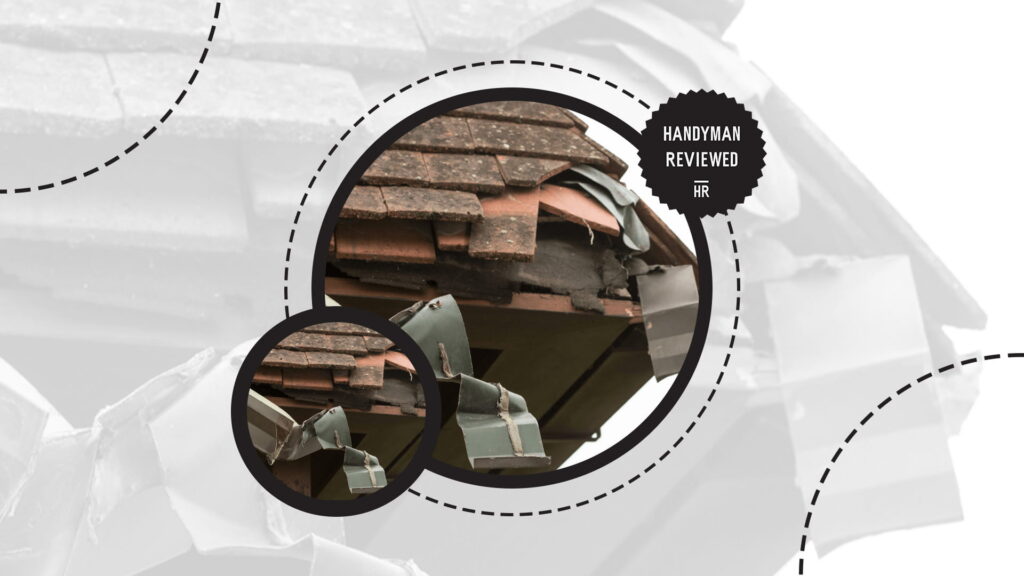
Your gutter system plays a critical role in protecting your foundation. When gutters are clogged with debris or downspouts do not extend far enough away from the home, water is discharged directly next to the foundation.
This concentrated flow of water can quickly overwhelm the surrounding soil, leading to pooling and increased pressure against basement walls.
Common gutter-related issues include:
- Leaves and debris causing blockages
- Downspouts that end too close to the home
- Broken or improperly sloped gutters
- Overflow during heavy rainfall
That’s why routine gutter maintenance is one of the simplest yet most effective ways to prevent basement leaks.
5. Window Wells and Basement Openings
Basement windows and window wells are often overlooked sources of water intrusion. If window wells aren’t properly drained or protected, they can fill with water during heavy rain.
Once the water level rises high enough, it can seep through window seals or even enter directly into the basement.
Installing window well covers and ensuring proper drainage can significantly reduce this risk.
6. Porous Concrete and Aging Materials
Concrete may appear solid, but it’s actually porous. Over time, it can absorb moisture from the surrounding soil, especially in older homes where waterproofing measures were not originally installed.
As materials age, they become more susceptible to:
- Moisture penetration
- Surface deterioration
- Reduced resistance to pressure
This slow absorption process can lead to persistent dampness, even without visible cracks or leaks.
By identifying which of these factors are affecting your home, you can take the right steps toward a long-term waterproofing solution rather than relying on temporary fixes.
Warning Signs of a Wet Basement
Basement moisture problems often start small. Catching them early can save thousands in repairs.
Look for these signs of a wet basement:
- Damp or humid air
- Musty odors
- Water stains on walls or floors
- Mold or mildew growth
- Efflorescence (white residue on walls)
- Peeling paint or warped materials
If you notice any of these issues, investigate further and consider waterproofing solutions.
Interior Waterproofing Solutions
Interior waterproofing focuses on managing water that’s already entered your basement. While it doesn’t stop water from reaching the foundation, it can effectively control and redirect it.
Common interior solutions include:
- Sump pump systems to remove collected water
- Interior drainage systems that channel water away
- Vapor barriers to reduce humidity and condensation
- Dehumidifiers to improve air quality
Interior systems are often more affordable and less invasive, making them a popular option for homeowners dealing with moderate moisture problems.
For homeowners dealing with recurring issues, working with a professional service like ACM Basement Waterproofing can help determine the most effective interior system for your specific situation.
Exterior Waterproofing Solutions
Exterior waterproofing is considered the most comprehensive approach because it stops water before it enters your home.
This method typically involves:
- Excavating soil around the foundation
- Applying waterproof membranes or coatings
- Installing exterior drainage systems such as French drains
Although more labor-intensive, exterior waterproofing addresses the root cause of water intrusion and provides long-term protection.
Homeowners looking for long-term solutions often explore professional waterproofing services like ACM Basement Waterproofing to see if exterior work is necessary based on their property conditions.
Preventative Maintenance Tips
Not every home needs a full waterproofing system right away. There are several preventative steps homeowners can take to reduce risk:
- Clean gutters regularly to prevent overflow
- Extend downspouts at least 6 feet away from the home
- Ensure soil slopes away from the foundation
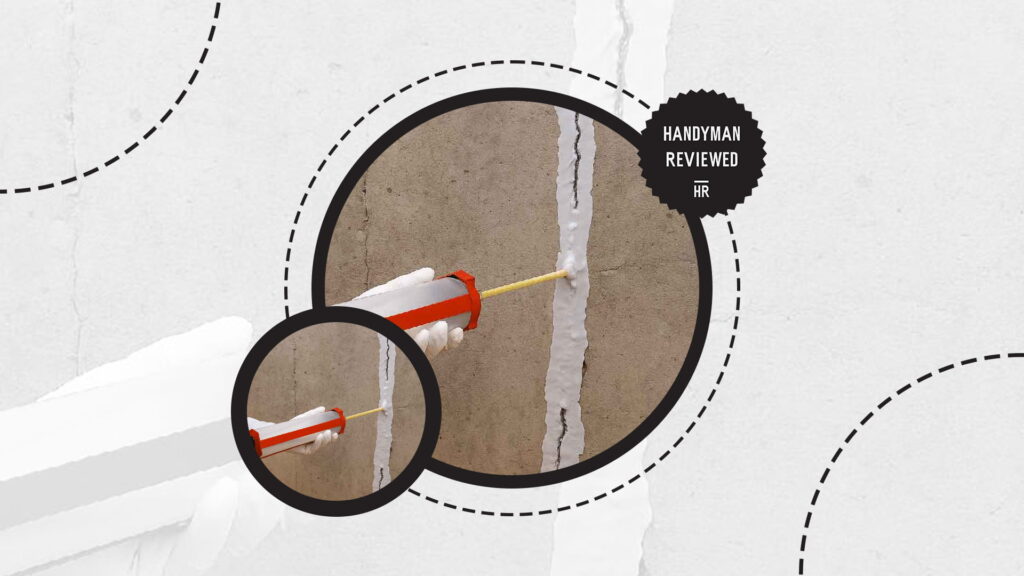
- Seal small foundation cracks early
- Install window well covers
- Monitor basement humidity levels
These simple actions can significantly reduce the chances of water intrusion.
How Much Does Basement Waterproofing Cost?
The cost of basement waterproofing can vary widely depending on the severity of the problem and the solution required.
- Minor fixes such as crack sealing may cost a few hundred dollars
- Interior drainage systems can range from $2,000 to $8,000
- Exterior waterproofing projects may exceed $10,000 due to excavation and labor
While the upfront investment may seem high, it’s important to compare it to the cost of ignoring the problem. Water damage repairs, mold remediation, and structural fixes can quickly exceed the cost of preventative waterproofing.
DIY vs. Professional Waterproofing
Some homeowners attempt DIY waterproofing solutions such as sealants or temporary fixes. While these may help in the short term, they often fail to address the underlying issue.
Professional waterproofing services offer:
- Accurate diagnosis of the problem
- Long-term solutions instead of temporary patches
- Proper installation of drainage and protection systems
For persistent or severe issues, working with experienced professionals is usually the most cost-effective approach in the long run.
Long-Term Benefits of Waterproofing Your Basement
Investing in basement waterproofing provides several long-term advantages:
- Protects your home’s structural integrity
- Prevents mold and improves indoor air quality
- Increases usable living space
- Boosts property value
- Reduces long-term maintenance costs
A dry basement is not just about avoiding inconvenience. It’s about protecting one of your most valuable assets.
Protecting Your Basement Starts Today
Basement waterproofing is one of the smartest investments a homeowner can make. By understanding the causes of water intrusion, recognizing early warning signs, and taking preventative action, you can avoid costly repairs and maintain a safe and dry home.