
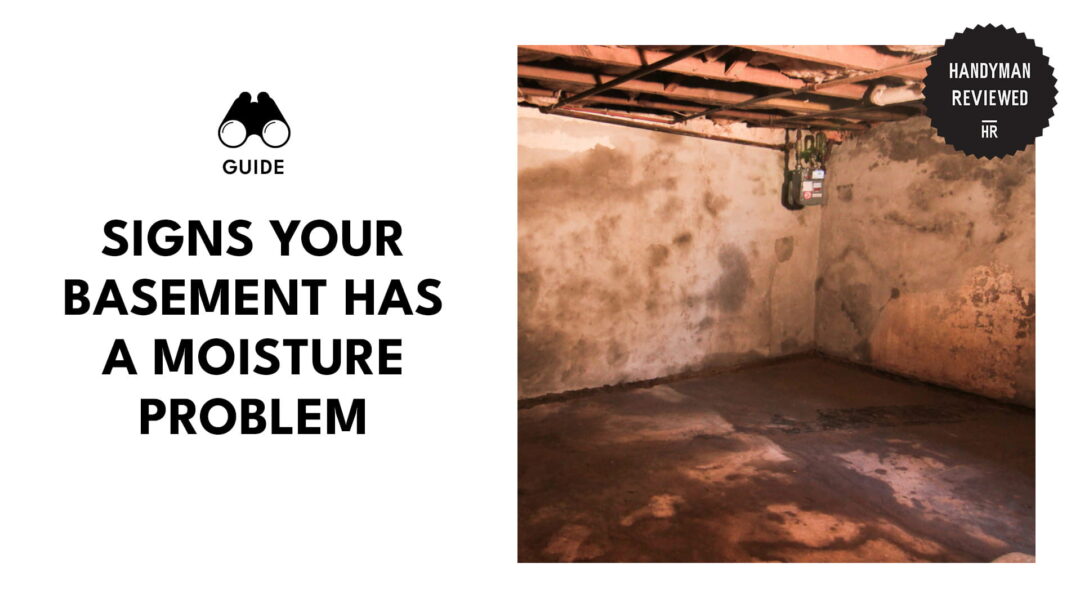
Basement moisture issues rarely start with a flood. In most cases, the warning signs are subtle at first and often mistaken for normal wear and tear. Unfortunately, what begins as a minor inconvenience can quickly turn into mold growth, structural damage, and costly repairs if left unaddressed.
Knowing what to look for early can help you protect your home, your belongings, and your indoor air quality. Below are the most common signs your basement has a moisture problem and what they typically mean.
1. A Persistent Musty Smell
One of the earliest and most overlooked signs of basement moisture is a musty or damp odor.
Even if you don’t see visible water, that smell is usually caused by excess humidity or hidden mold growth. Basements are naturally more prone to damp conditions due to their location below ground level, but a strong or persistent odor is a clear indicator that moisture is present.
If the smell gets stronger after rain or humid weather, that’s a strong clue that water is finding its way into your basement.
2. Damp or Humid Air
Does your basement feel noticeably more humid than the rest of your home?
High humidity levels can create an environment where mold and mildew thrive, even without standing water. You might notice:
- A sticky or clammy feeling in the air
- Condensation on windows or pipes
- Difficulty keeping the space comfortable
Using a hygrometer can help you measure humidity levels. Ideally, your basement should stay below 60 percent humidity. Anything higher increases the risk of long-term moisture issues.
3. Water Stains on Walls or Floors
Discoloration on basement walls or floors is a common sign of past or ongoing water intrusion.
These stains often appear as:
- Yellow or brown streaks
- Dark patches on concrete
- Irregular water lines along the base of walls
Even if the area feels dry now, these marks indicate that water has entered your basement at some point. Repeated exposure can weaken materials and lead to more serious damage over time.
4. Efflorescence (White, Chalky Residue)
If you notice a white, powdery substance on your basement walls, you’re likely seeing efflorescence.
This occurs when water moves through concrete and leaves behind mineral deposits as it evaporates. While efflorescence itself is not harmful, it is a clear sign that moisture is passing through your foundation.
It’s often one of the most visible indicators that your basement is not properly sealed or protected from outside water pressure.
5. Peeling Paint or Bubbling Walls
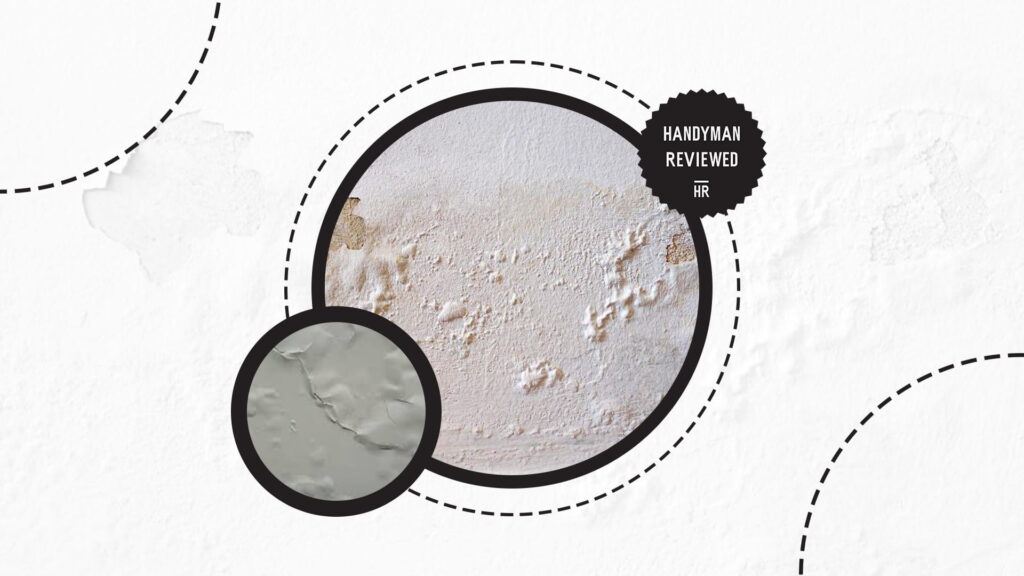
Paint and waterproof coatings should adhere tightly to basement walls. When moisture gets trapped behind these surfaces, it can cause:
- Peeling or flaking paint
- Bubbling or blistering finishes
- Warped drywall or paneling
This happens because water is pushing outward from within the wall, breaking the bond between the surface and the material underneath.
If you see this, it’s not just a cosmetic issue. It’s a sign that moisture is actively affecting your basement structure.
6. Visible Mold or Mildew
Mold thrives in damp, dark environments, making basements a common target.
You may notice:
- Black, green, or white spots on walls or ceilings
- Fuzzy or patchy growth on stored items
- A worsening musty smell
Even small amounts of mold should be taken seriously. It can spread quickly and impact indoor air quality, especially for those with allergies or respiratory issues.
Addressing the moisture source is essential. Simply cleaning the mold without fixing the underlying problem will only provide a temporary solution.
7. Cracks in the Foundation
Not all foundation cracks are serious, but they can become entry points for water.
Look for:
- Vertical or diagonal cracks in walls
- Cracks along the floor
- Gaps around pipes or utility lines
Water can seep through even the smallest openings, especially during heavy rain or when the surrounding soil becomes saturated.
If you’re unsure whether a crack is structural or cosmetic, it’s worth having it evaluated by professionals like Blue Umbrella Waterproofing to prevent further damage.
8. Pooling Water or Damp Spots
Standing water is an obvious sign of a moisture problem, but even small damp spots shouldn’t be ignored.
You might see:
- Puddles forming after rain
- Damp patches on the floor
- Water collecting near walls or corners
These issues often point to drainage problems, hydrostatic pressure, or a failing sump pump system.
Catching this early can help you avoid full-scale flooding later on.
9. Rust on Appliances or Fixtures
Basements often house water heaters, furnaces, and laundry equipment. Excess moisture in the air can lead to rust and corrosion on these metal components.
If you notice rust forming on:
- Pipes
- Water heaters
- Metal shelving
It’s a sign that humidity levels are too high and need to be addressed.
10. Warped Wood or Damaged Belongings
If you store items in your basement, moisture can quietly damage them over time.
Watch for:
- Warped or swollen wood
- Damp cardboard boxes
- Mildew on fabrics or furniture
These signs often appear before homeowners realize there’s a larger moisture issue.
What Causes Basement Moisture?
Understanding the cause can help you choose the right solution. Common sources include:
- Poor exterior drainage
- Clogged or short downspouts
- Hydrostatic pressure from saturated soil
- Foundation cracks
- Ineffective waterproofing systems
In many cases, it’s not just one issue but a combination of factors contributing to the problem.
When to Take Action
If you notice one or more of these signs, it’s important to act sooner rather than later.
Minor moisture problems can escalate quickly, especially during periods of heavy rain or seasonal changes. What starts as a small leak or humidity issue can turn into mold remediation or structural repairs if ignored.
Working with experienced professionals like Blue Umbrella Waterproofing can help you identify the root cause and implement long-term solutions tailored to your home.
Don’t Ignore the Warning Signs
Basement moisture problems don’t usually appear overnight. They develop gradually, often giving homeowners plenty of warning signs along the way.
By paying attention to early indicators like musty smells, water stains, and increased humidity, you can address issues before they become serious and expensive.
A dry basement isn’t just about comfort. It’s about protecting your home, your health, and your investment for years to come.