
Homeowners like us know how transformative concrete is for a home. I just extended my driveway with concrete, and I’m enjoying the extra parking space!
You’re probably here because you have a similar concrete project in mind. Maybe a backyard patio to make your outdoor space more useful? Or maybe a walkway to reduce mud, improve access, and make daily movement around your property cleaner and safer?
I could have gone the DIY route, but I learned that there are tons of considerations to keep in mind. In the end, I called a professional I trust.
But if you’re still considering picking up the phone, I’ll show you what you should know to prepare for your concrete project. And if you decide to hire a contractor as I did, I also have pointers on how to choose one.
Here are the factors to consider at the start of your project.
Start with the purpose of the project
Every concrete project should start with one question: What is this slab supposed to do?
A driveway extension is different from a patio. A trash can pad doesn’t need the same planning as concrete that will support vehicles every day.
Purpose affects layout, thickness, reinforcement, grading, and base preparation. If the concrete will support cars, trucks, trailers, or equipment, it needs to be planned differently than a small pad used for foot traffic or storage.
Homeowners should think through the main use before getting quotes. Common purposes include:
- More parking
- Cleaner side-yard access
- Outdoor living space
- Trash can or equipment storage
- Reducing muddy areas
- Improving curb appeal
- Creating safer walkways
The clearer the purpose, the easier it is for a contractor to recommend the right approach.
Best Concrete Projects for Improving Property Function
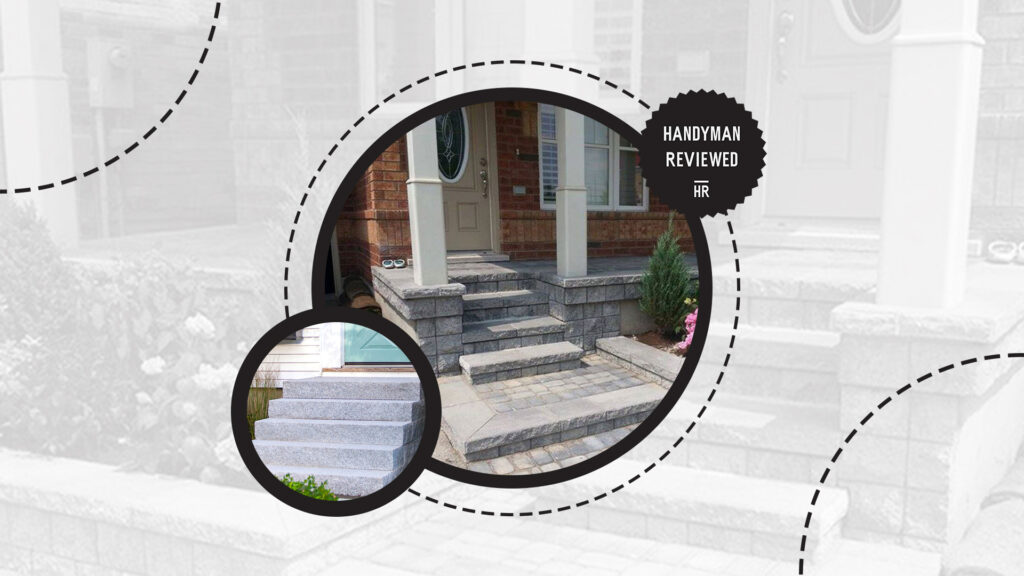
The best concrete projects usually solve a practical problem. The following are common types found in homes and how they improve the property:
- Driveway extensions are useful for extra parking and easier vehicle access. Patios improve outdoor living spaces.
- Walkways create cleaner movement around the property.
- Side-yard strips reduce mud and improve access to gates, trash cans, and backyards.
- Shed pads create a stable foundation for storage.
- Entry pads can improve curb appeal and reduce dirt being tracked into the home.
For homeowners looking for practical outdoor upgrade ideas, this article covering several concrete improvement ideas for Houston-area yards shows how patios, walkways, driveway extensions, and smaller slabs can improve everyday property use.
The key is to match the project to the way the homeowner actually uses the property. A small slab in the right place can sometimes add more practical value than a much larger project with poor planning.
What affects the cost of a concrete project?
The cost of a concrete project isn’t based only on square footage. Size matters, but it’s only one part of the total cost.
Other factors can include:
- concrete thickness,
- reinforcement,
- demolition,
- haul-off,
- site access,
- slope,
- grading (reshaping the ground),
- drainage adjustments,
- base preparation,
- finish type (such as broom finish, salt finish, or exposed aggregate)
- form work,
- labor complexity,
- and concrete delivery minimums.
For example, a small backyard patio with tight access may take more labor than a larger open driveway extension that’s easy to reach.
For homeowners trying to understand why driveway estimates can vary so much, this guide explaining factors that influence concrete driveway pricing in Houston breaks down how size, access, thickness, and site conditions can affect the final number.
That’s why it’s important to compare the actual scope of work, not just the price at the bottom of the estimate.
Drainage should be reviewed before concrete is poured
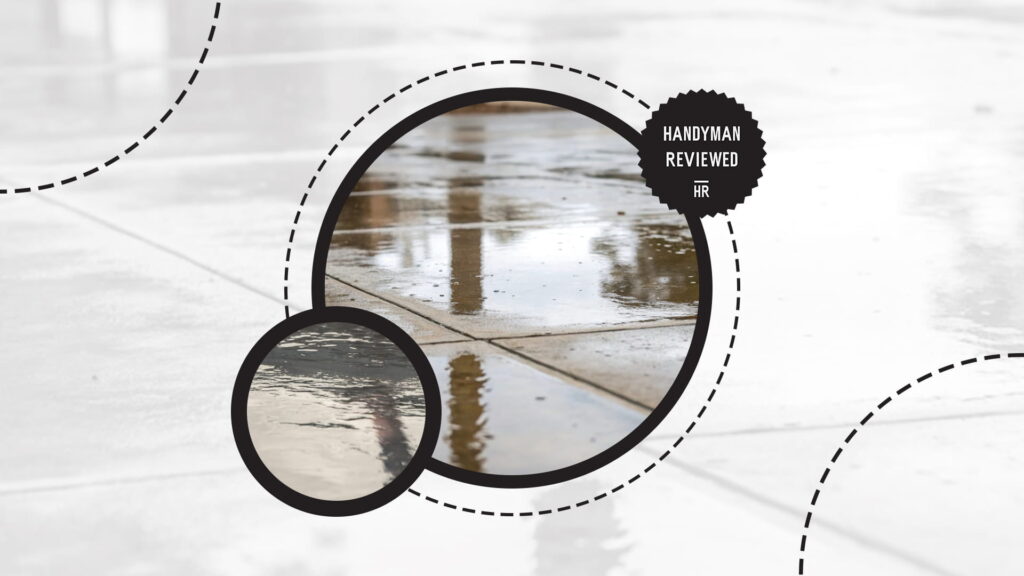
Drainage is one of the most important parts of a concrete project.
Concrete changes how water moves. Unlike soil or grass, concrete doesn’t absorb water. It redirects it.
If the slope is wrong, water can collect on the slab, run toward the house, sit against a fence, or create new puddling in the yard.
Before pouring concrete, homeowners should look at where water currently goes during rain.
Does the area already hold water? Do downspouts discharge nearby? Is the yard sloped toward the home? Is there a low spot that already stays wet?
Concrete shouldn’t be used to cover up a drainage problem without addressing the cause. In many cases, pouring over a problem area can make the issue worse because the water has fewer places to go.
This is especially important in areas with heavy rain or clay soil. Water should move away from the foundation, away from structures, and toward an appropriate drainage path.
After a hard rain, you can usually tell quickly whether the slope was planned correctly. Water either moves away cleanly, or it exposes every shortcut taken during prep work.
Soil and base preparation matter
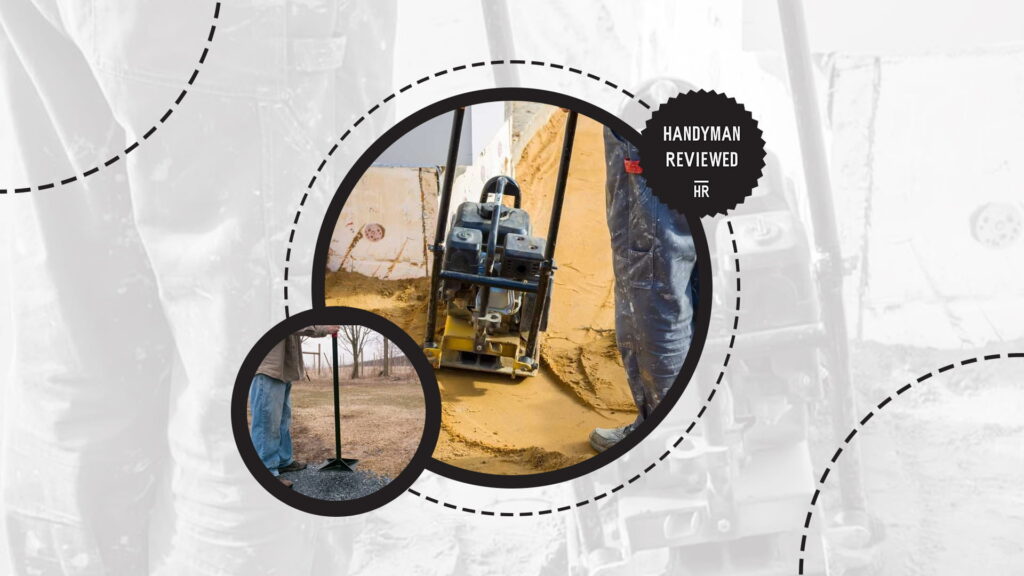
The concrete surface is only as good as what is underneath it. If concrete is poured over soft, unstable, or poorly prepared soil, it’s more likely to move, settle, or crack.
Clay soil can create extra challenges because it expands when wet and shrinks when dry. In areas like Houston, where clay makes up 40% to 80% of soil content (National Cooperative Soil Survey), this movement can put stress on concrete over time.
That doesn’t mean concrete cannot perform well in clay-heavy properties, but it does mean preparation and grading matter.
Proper base preparation may include removing soft material, grading the area, compacting the base, and using suitable base material when needed.
Think of the base like the foundation of the project. If the surface underneath is weak, the finished slab is already starting at a disadvantage.
Control joints and expansion planning also help manage movement. They don’t make concrete crack-proof, but they help guide where cracking is more likely to occur instead of allowing random cracks to spread across the slab.
Why the Cheapest Quote Can Cost More Later
It’s natural for homeowners to compare prices. Concrete is a real investment, and nobody wants to overpay. But the cheapest quote isn’t always the best quote.
The cheapest quote can cost more later because it causes more problems down the road. A low price may leave out important parts of the job.
Some shortcuts include:
- pouring too thin,
- skipping reinforcement,
- doing poor base preparation,
- ignoring drainage,
- setting the wrong slope,
- using unclear finish standards,
- placing poor control joints,
- or excluding cleanup and haul-off.
The problem is that many concrete mistakes don’t show up immediately. The slab may look fine on the first day. Issues often appear later after rain, vehicle use, soil movement, or seasonal weather changes.
That’s why homeowners should ask what is included in the quote. Does it include
demolition? Haul-off? Base preparation? Reinforcement? Grading? Cleanup? How thick will the slab be? How will drainage be handled?
A clear scope protects the homeowner and makes it easier to compare contractors fairly.
When to Call a Professional

Some very small concrete pads may seem simple, but many projects are better handled by a professional.
Homeowners should call a professional when
- vehicles will use the slab,
- the project is near the foundation,
- drainage is involved,
- the yard has slope issues,
- existing concrete needs removal,
- or the new slab needs to connect to a driveway, patio, walkway, or entry area.
Professional help is also valuable when the homeowner is unsure about thickness, reinforcement, grade, or base preparation. These aren’t small details. They affect how the project performs for years.
A good contractor should be able to explain the recommended thickness, how the area will be prepared, how water will move, and what is included in the scope.