
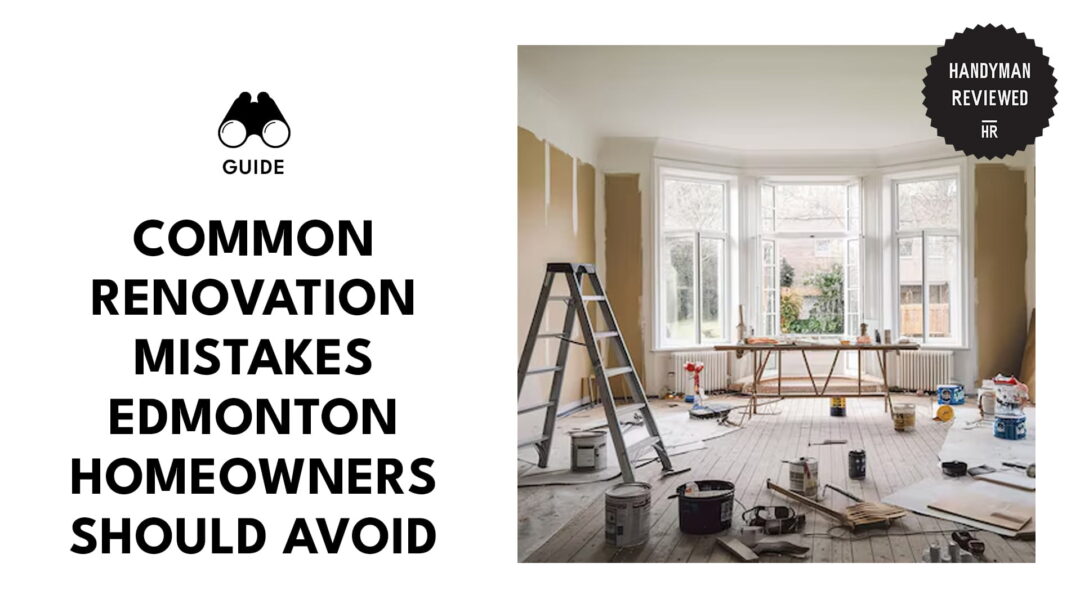
Home renovations in Edmonton are shaped by more than aesthetics. Climate, building regulations, housing age, and resale dynamics all influence design decisions. From mid-century bungalows in mature neighborhoods to new infill developments, renovation projects in Alberta’s capital come with distinct architectural and environmental considerations.
Yet many homeowners approach renovation with enthusiasm rather than strategy. The result is cost overruns, structural compromises, and missed opportunities for long-term value.
Below are the most common renovation mistakes Edmonton homeowners make, and how a more architecture-driven approach can prevent them.
1. Renovating Without a Comprehensive Design Plan
One of the most frequent errors is beginning construction without a fully resolved design. Homeowners often focus on finishes before resolving spatial flow, structural implications, or mechanical systems.
In older Edmonton homes, particularly those built between the 1950s and 1980s, layouts were designed for different lifestyles. Simply removing walls to create an open plan without evaluating load-bearing elements or HVAC distribution can create performance issues.
A renovation should begin with:
- Measured drawings
- Structural review
- Mechanical and insulation assessment
- Lifestyle-based spatial planning
- Budget alignment
Design-led renovation ensures the finished space functions cohesently rather than feeling retrofitted.
2. Underestimating the Real Cost of Renovation in Edmonton
Budget miscalculation is common, especially in homes where conditions are hidden behind drywall. Once walls are opened, contractors frequently discover:
- Outdated electrical systems
- Insufficient insulation
- Vapor barrier failures
- Moisture damage in basements
- Foundation settlement
In cold climates like Edmonton, building envelope performance is critical. Skimping on insulation upgrades or air sealing may compromise comfort and increase energy costs long term.
Natural Resources Canada notes that improving insulation and air sealing can significantly reduce energy consumption in colder regions. Investing in envelope performance is often more valuable than upgrading surface finishes.
A contingency reserve of 10 to 20 percent is considered prudent in full-scale renovations.
3. Ignoring Municipal Permit Requirements
The City of Edmonton has clear requirements for building, electrical, and plumbing permits. However, homeowners sometimes proceed without approvals for basement developments, structural alterations, or secondary suites.
This can result in:
- Fines and stop-work orders
- Insurance complications
- Reduced resale value
- Mandatory demolition of non-compliant work
Secondary suite renovations, in particular, require strict adherence to fire separation, egress windows, ceiling heights, and mechanical ventilation standards.
Compliance is not simply administrative. It ensures life safety and structural integrity.
4. Failing to Design for Climate
Edmonton’s climate is characterized by long winters, freeze-thaw cycles, and significant temperature fluctuations. Renovation strategies that work in milder regions may not perform well here.
Common climate-related mistakes include:
- Installing flooring susceptible to expansion and contraction
- Inadequate basement waterproofing
- Poor vapor barrier detailing
- Choosing exterior cladding without freeze resistance
Moisture management is especially critical in basement renovations. Edmonton homes frequently encounter seasonal groundwater pressure, which can lead to mold and long-term structural damage if not properly addressed.
Climate-responsive design should consider:
- High-performance insulation
- Proper air barriers
- Energy-efficient windows
- Controlled ventilation systems
Renovation is an opportunity to improve building performance, not just visual appeal.
5. Hiring Based Solely on Price
Low bids can signal missing scope items, insufficient project management, or limited technical expertise.
Renovation work requires coordination between structural, electrical, plumbing, and finishing trades. Poor sequencing or inadequate supervision often leads to:
- Rework
- Material waste
- Schedule delays
- Compromised quality
When evaluating contractors, homeowners should look for:
- Transparent, itemized estimates
- Documented project timelines
- Licensing and insurance
- Demonstrated experience with local housing stock
Professional firms specializing in home renovations Edmonton typically bring integrated design and construction experience suited to local conditions.
6. Overpersonalizing at the Expense of Resale
Edmonton’s housing market is diverse, but highly customized renovations may narrow buyer appeal.
Examples include:
- Converting bedrooms into oversized closets
- Removing bathtubs in family neighborhoods
- Installing highly specific built-in features
- Choosing bold finishes that date quickly
While renovation should reflect personal taste, architectural longevity matters. Neutral palettes, functional layouts, and durable materials typically offer better return on investment.
Kitchen and bathroom upgrades remain among the most value-positive improvements when executed with thoughtful design.
7. Poor Space Planning
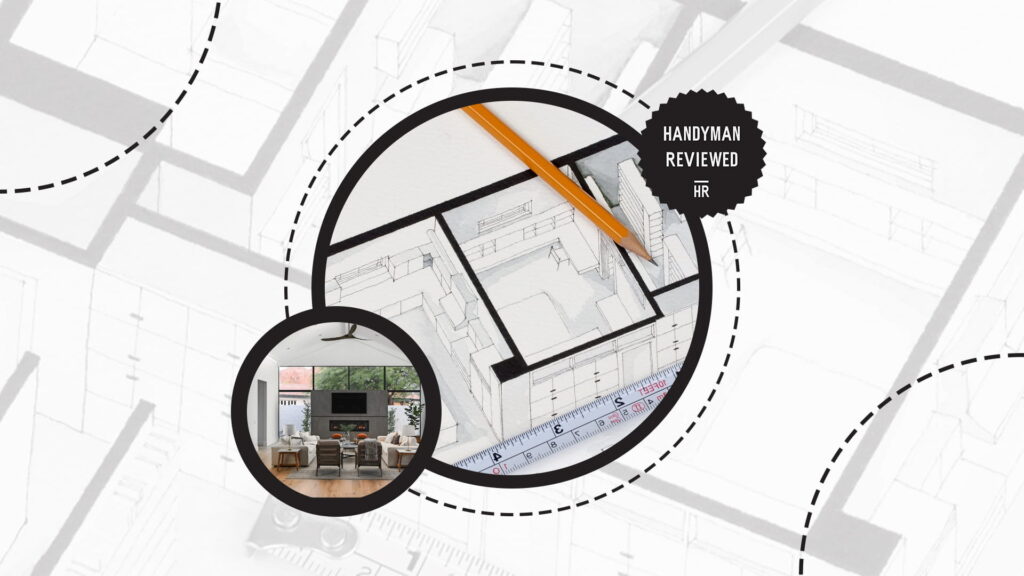
Aesthetic upgrades cannot compensate for flawed layouts.
Common spatial mistakes include:
- Insufficient storage
- Poor kitchen work triangles
- Awkward circulation paths
- Blocking natural light sources
Open concept renovations are popular in Edmonton’s mature neighborhoods, yet removing structural walls without proper beam integration can compromise both safety and ceiling proportions.
Good renovation design considers:
- Sight lines
- Daylight access
- Ceiling heights
- Furniture layout
- Acoustic control
Architecture is fundamentally about spatial experience, not just finishes.
8. Attempting Complex Structural or Mechanical Work as DIY
While cosmetic upgrades such as painting or hardware replacement are manageable for homeowners, structural modifications, plumbing alterations, and electrical upgrades require licensed professionals.
Improper installations can lead to:
- Code violations
- Water infiltration
- Fire hazards
- Insurance claim denial
In basement developments especially, errors in moisture control or egress compliance can create serious safety risks.
Professional oversight protects both property and occupants.
9. Neglecting Communication and Documentation
Renovation disputes often arise from undocumented scope changes.
Homeowners sometimes rely on verbal agreements for:
- Material substitutions
- Layout adjustments
- Timeline extensions
Clear written contracts, change orders, and milestone schedules reduce misunderstandings. Regular site meetings help ensure alignment between design intent and construction execution.
10. Thinking Short Term Instead of Long Term
Some homeowners prioritize immediate visual impact over durability.
Common short-term decisions include:
- Choosing lower-grade cabinetry
- Skipping insulation upgrades
- Installing budget flooring in high-traffic areas
- Avoiding necessary structural reinforcement
In Edmonton’s climate, durability and energy performance are not optional luxuries. They are foundational to a successful renovation.
A well-designed renovation should enhance:
- Energy efficiency
- Structural integrity
- Functional flexibility
- Market value
Renovation is not merely cosmetic. It is an architectural intervention that reshapes how a building performs and how occupants interact with space.
Conclusion
Home renovation in Edmonton presents both opportunity and risk. The city’s aging housing stock, extreme climate, and regulatory framework demand a thoughtful, design-forward approach.
Avoiding common mistakes requires:
- Comprehensive planning
- Climate-responsive detailing
- Realistic budgeting
- Permit compliance
- Qualified professional collaboration
When approached strategically, renovation becomes more than an upgrade. It becomes a recalibration of space, performance, and long-term value.
Edmonton homeowners who prioritize architectural integrity over short-term shortcuts are far more likely to achieve renovations that endure both aesthetically and structurally.